

Grid Golf
I’m building a portrait-oriented 3D golf game for mobile, set on miniature floating islands made from colorful terrain blocks. Approachable arcade controls meet believable golf physics, with room for timing, strategy, and skill.
Game design & development
Current
In development — playable single-hole prototype
A better swing.
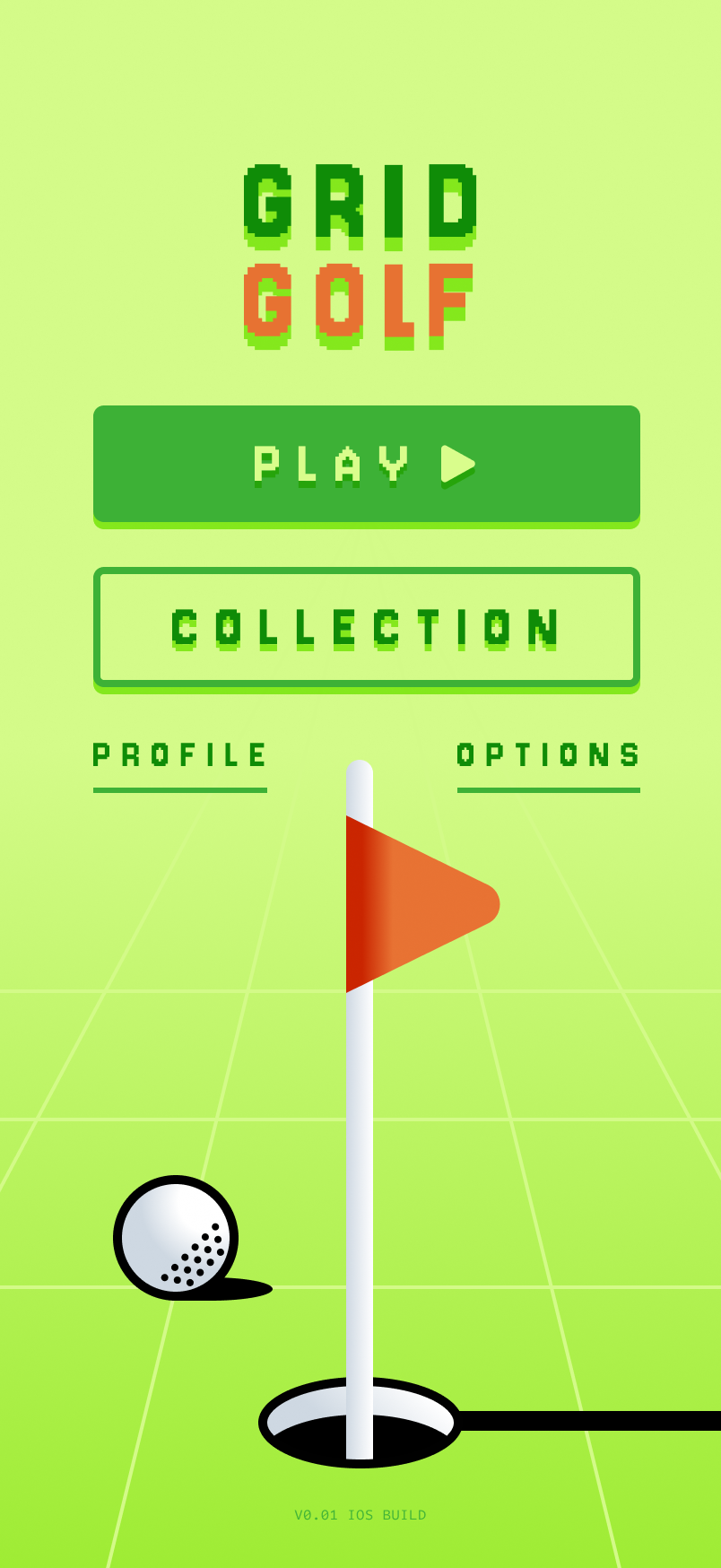
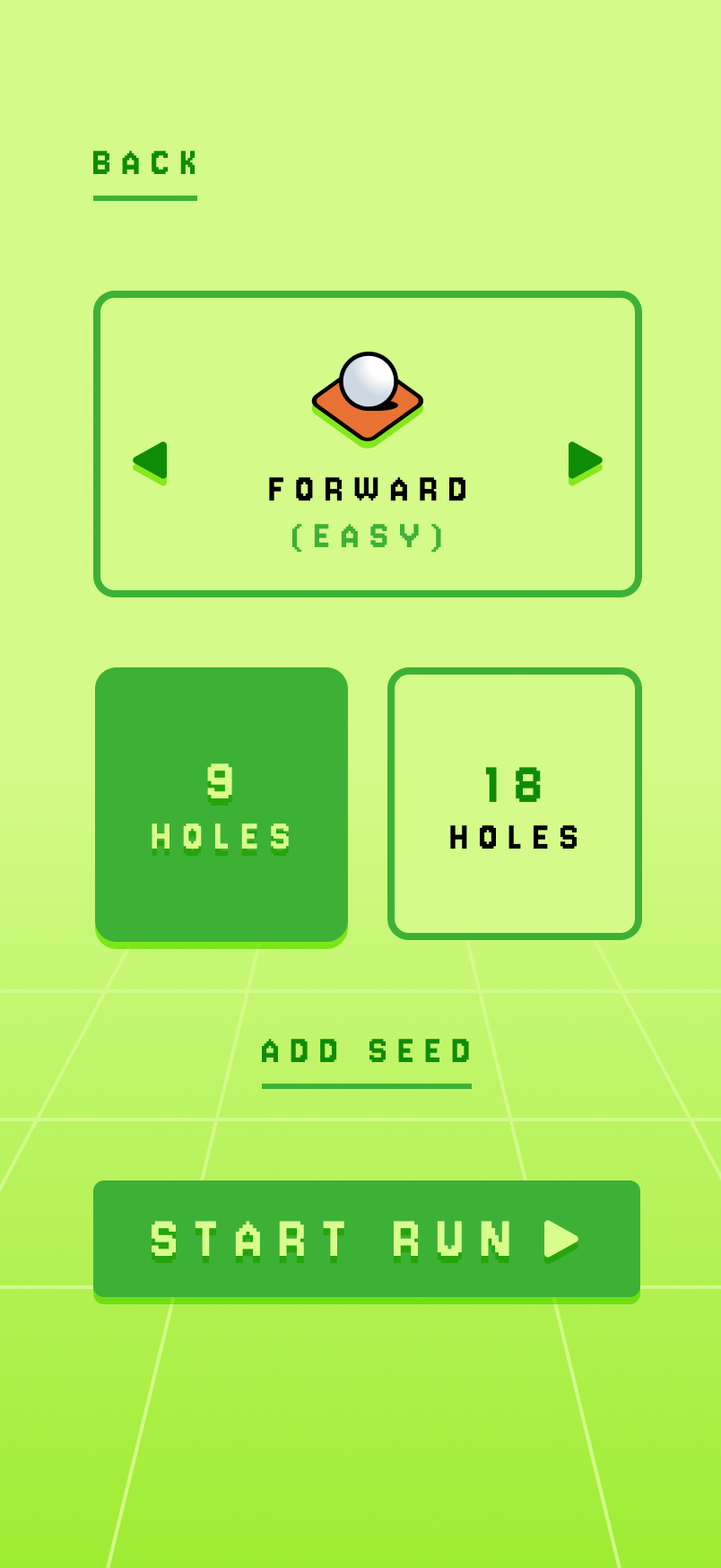
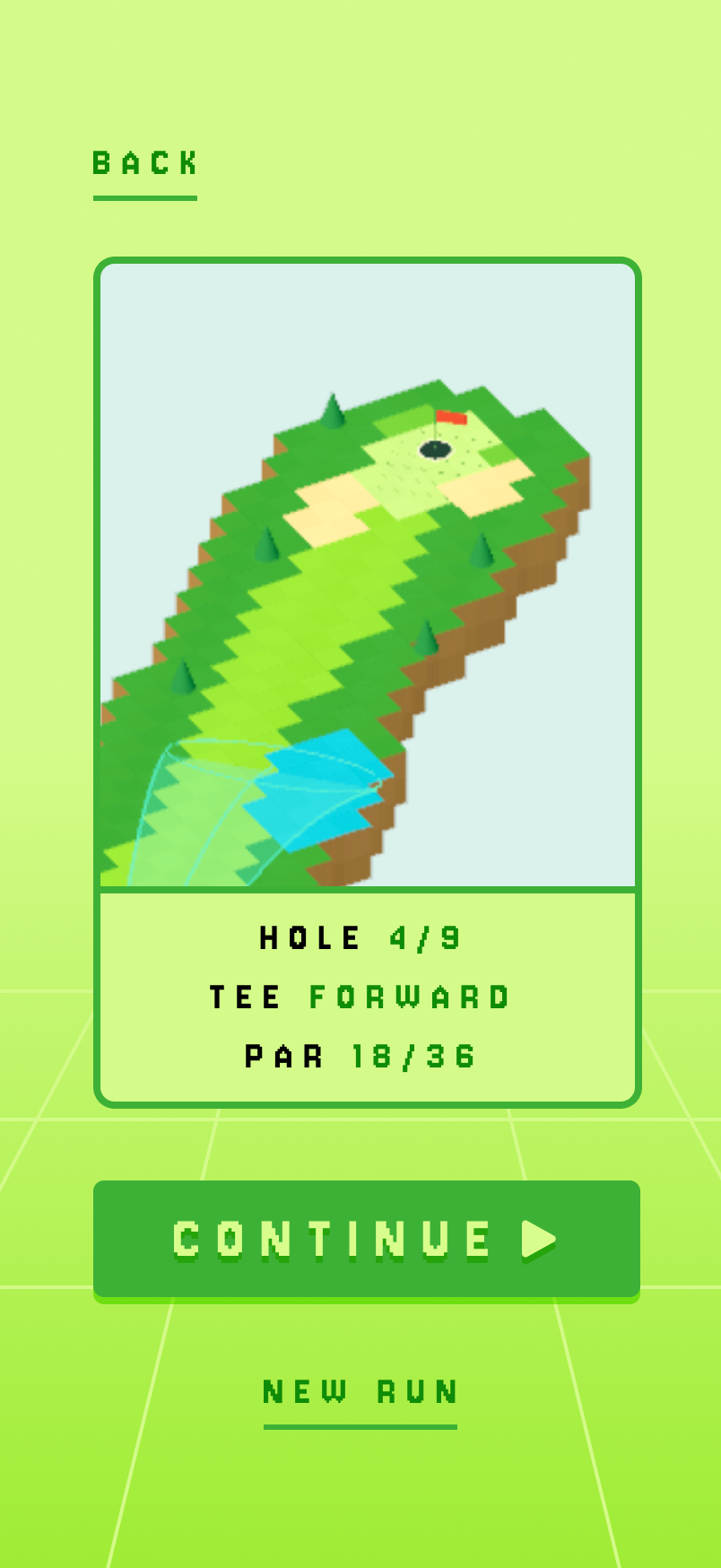
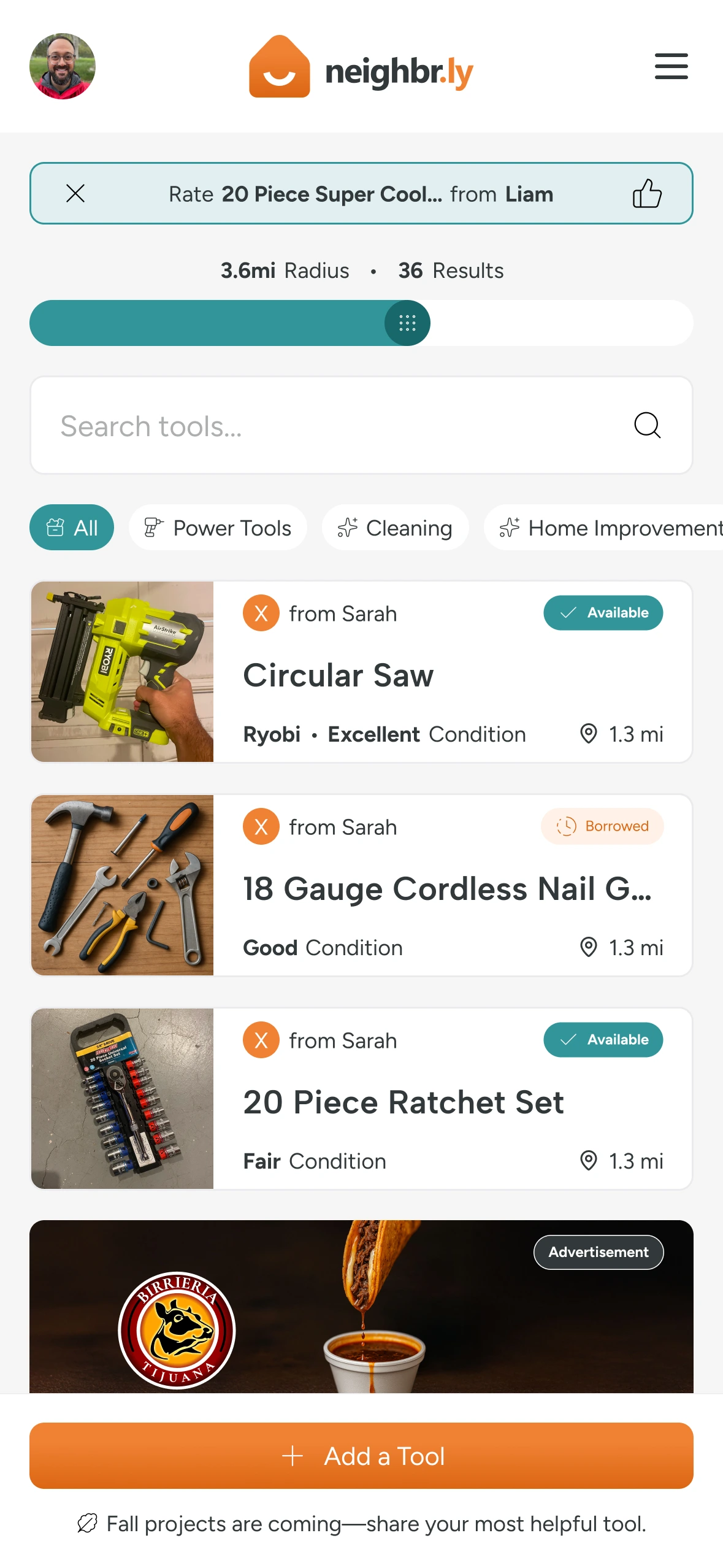
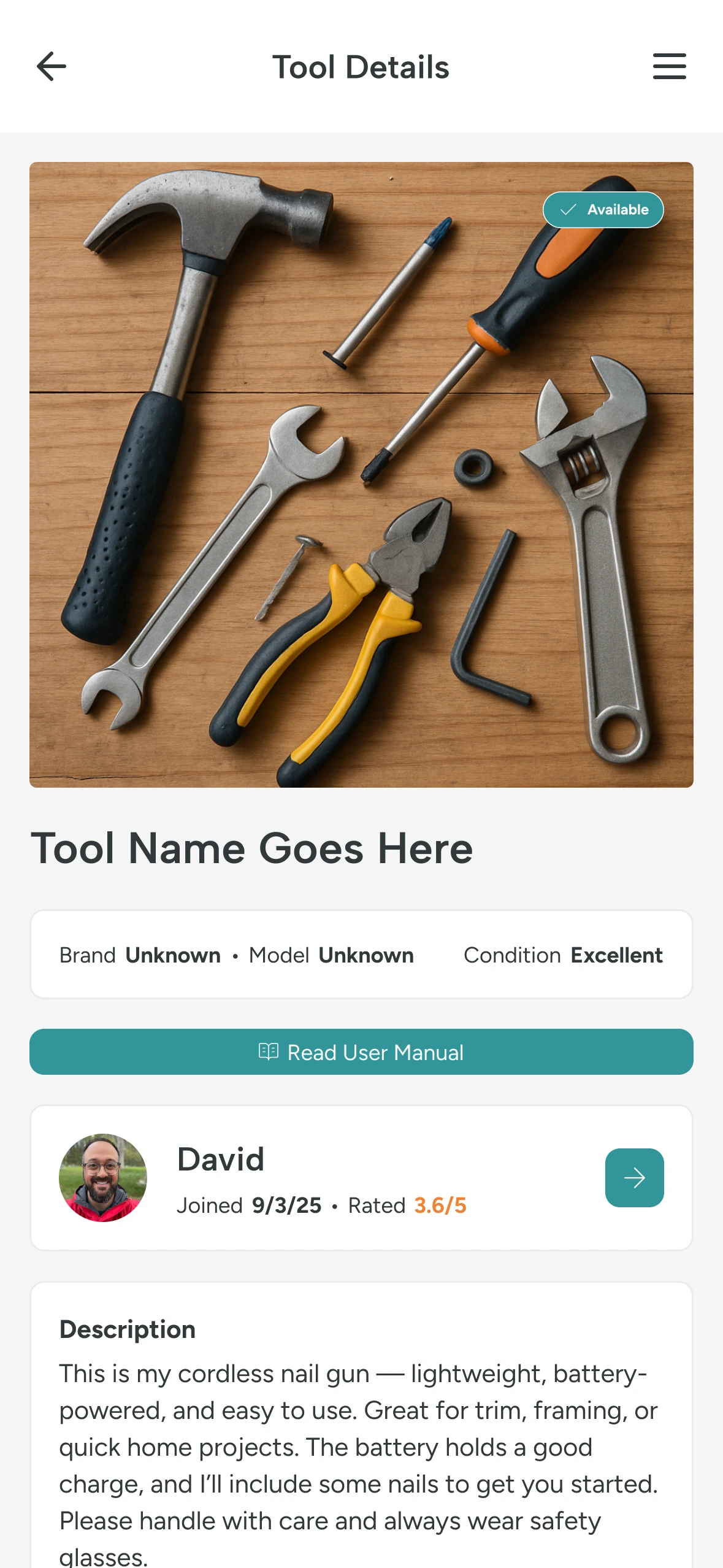
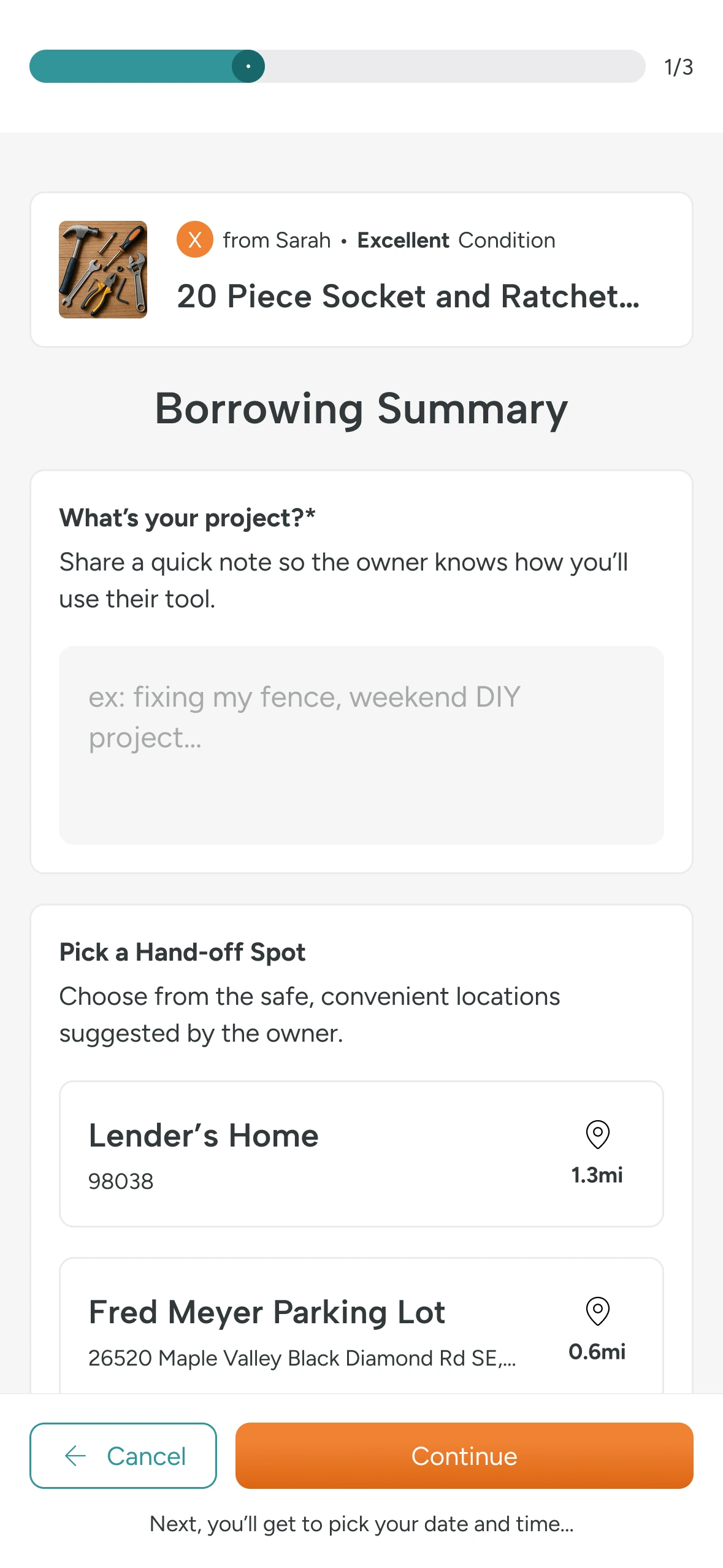
Menu and round-flow designs for the larger game vision. The current playable prototype centers on a single hole.
Godot, GDScript, and Jolt Physics
iOS and Android (planned)
A little world. A better swing.
The planned game centers on procedurally generated nine-hole rounds, with different course layouts, hazards, and weather creating fresh challenges. A roguelite progression system will add equipment choices, temporary perks, consumable abilities, and permanent golfer upgrades. Those systems are the larger vision; my focus so far has been making the golf itself satisfying.
From a physics range to Willow Bend.
Development has moved from an isolated physics range to a complete playable hole. I started by tuning ball flight, bounce, roll, wind, and surface behavior, then built Willow Bend: a handcrafted 380-yard par 4 with fairway, rough, bunkers, water, trees, and a breaking green. That course has become the testing ground for the game’s controls and presentation.
These early course concepts explore the terrain from overhead and isometric perspectives, developing the visual language of the block-based islands.
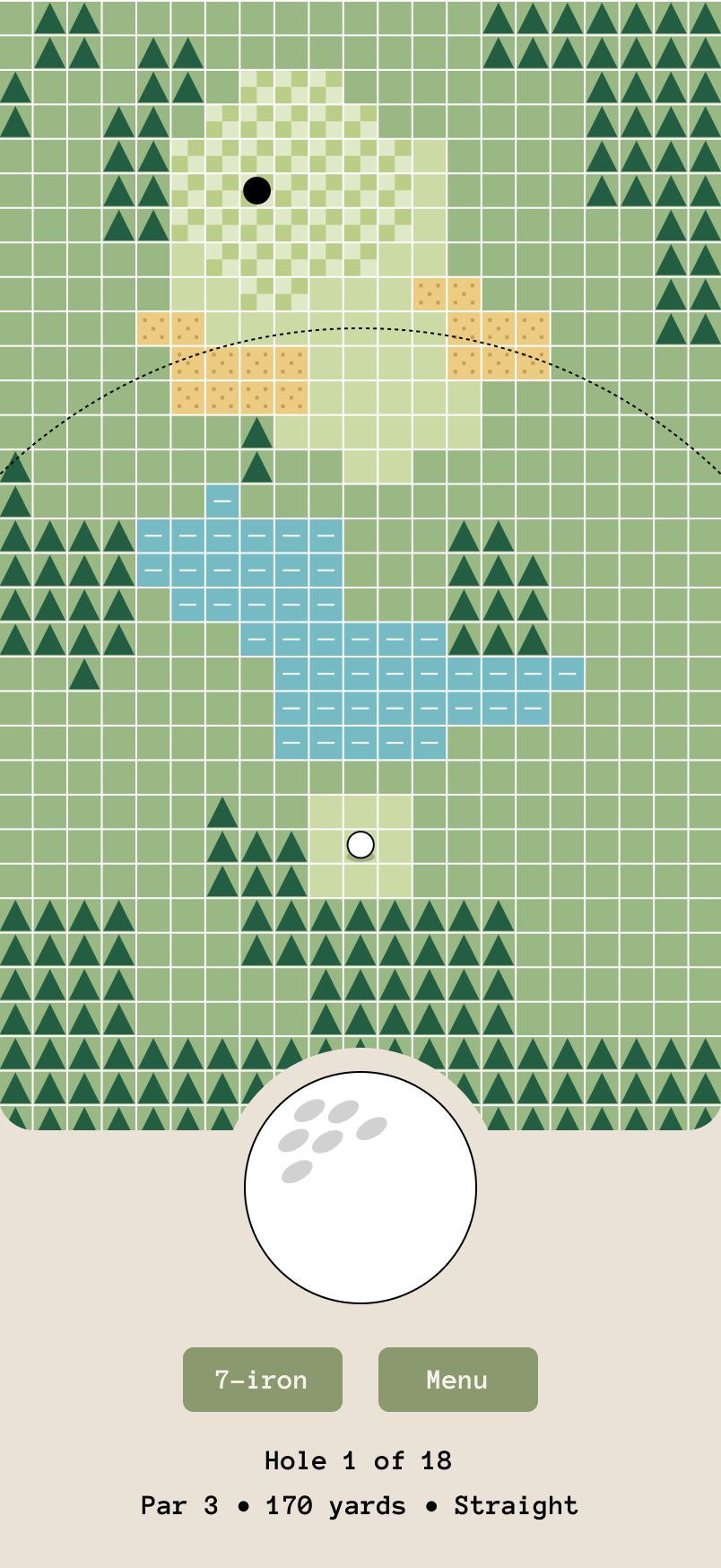
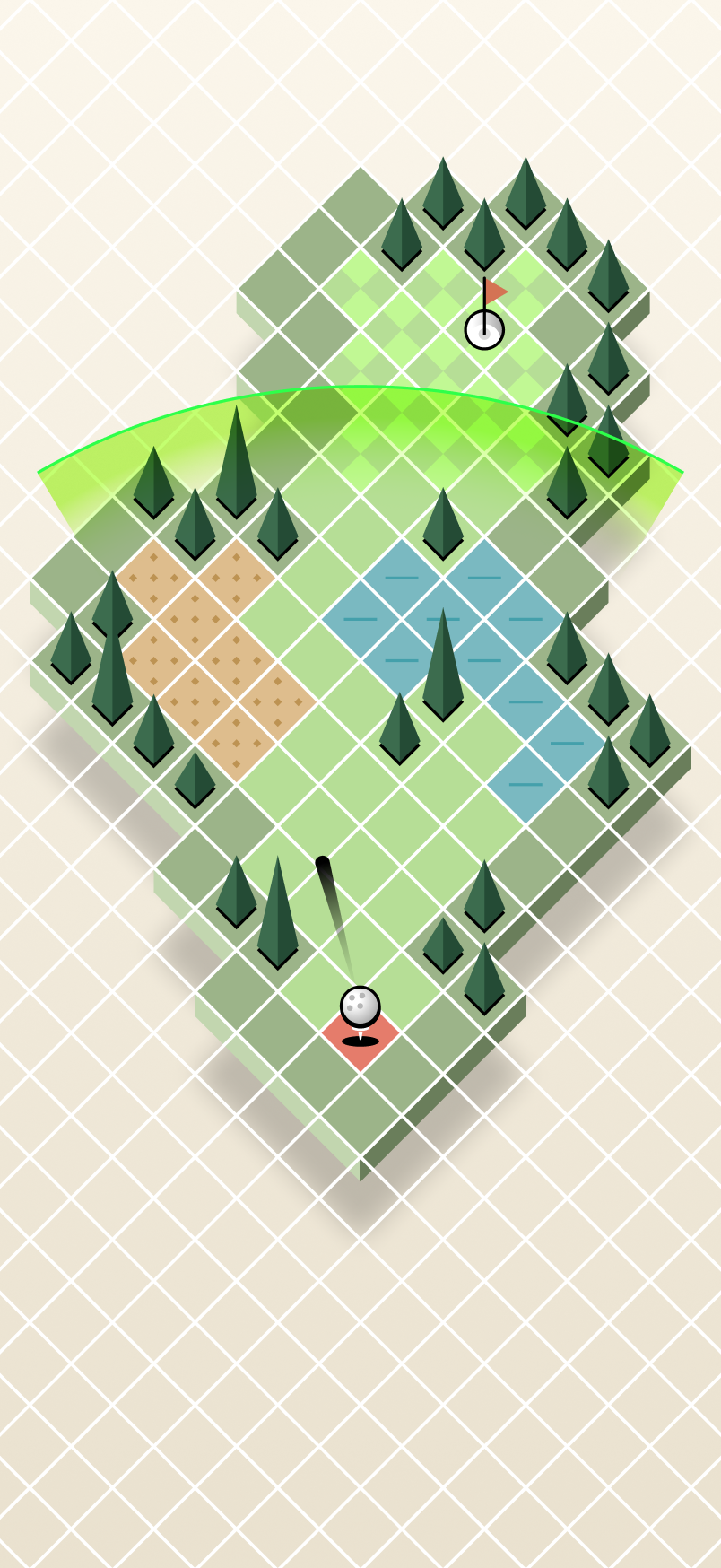
Easy to understand. Room to master.
The current swing system lets players aim, pull back for power, shape a shot, and time their strike before adding spin during flight. Trajectory previews communicate the likely landing area and uncertainty, while pushing beyond normal power introduces more risk. Putting uses the same familiar interaction, with green-reading and pace determining the result.
Letting the course fill the screen.
Much of the recent work has been about how the game feels on a small screen: refining the camera, improving ball and cup visibility, developing the block-based island style, and moving controls into a collapsible menu so the course can fill the display.
The menu designs explore the wider round experience, from starting a run to returning to a course. They show the planned flow beyond the current single-hole prototype.
One playable hole. A larger game ahead.
Grid Golf is currently a playable single-hole prototype, with its core controls and camera milestone in place. Alongside the visual changes, I’ve built automated checks for physics, gestures, terrain, scoring, and complete tee-to-cup playthroughs.
Development builds have installed and launched on an iPhone 12 Pro, though physical-device touch testing and performance measurement still need more work. The next major milestone is generating reliably playable courses, followed by complete nine-hole rounds and the progression systems that will give each run its own character.